Narita vs Haneda: Which Tokyo Airport, and How to Get Into the City
Booking flights to Tokyo and wondering whether to fly into Narita or Haneda? Both are big, efficient international airports, and you will be fine at either. The real difference is distance: Haneda sits inside Tokyo, while Narita is out in Chiba, roughly 60 to 70 km east of the city. That changes how long your transfer takes, what it costs and how late you can land. Here is a friendly comparison, plus every main way into the city from each airport.
We may earn a commission if you book through the partner links in this guide. VoyageHub does not charge you any fee; the partner sets the price and handles your booking. See our affiliate disclosure.
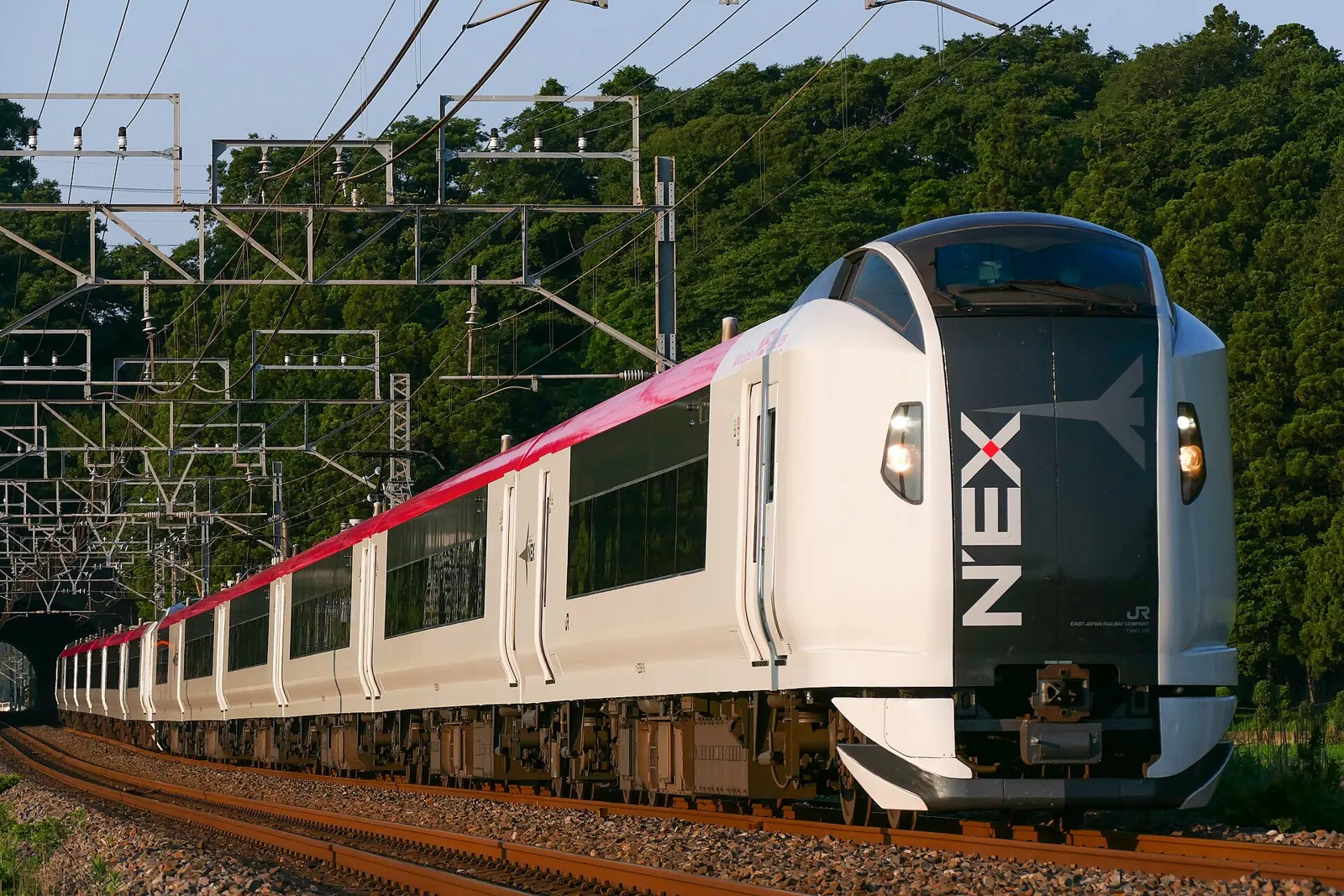
Photo: MaedaAkihiko, CC BY-SA 4.0, via Wikimedia Commons.
The short answer
- Choose Haneda (HND) if you can. It is much closer to central Tokyo: trains reach Shinagawa in about 11 to 14 minutes, and most hotels are well under an hour away.
- Narita (NRT) is great value too. Many flights, including some lower-fare airlines, use Narita. Fast airport trains get you into the city in under an hour, so do not rule out a better fare or schedule just because it lands at Narita.
In the end, the flight that suits your dates and budget usually matters more than the airport. Just plan the transfer to match.
Flying from Australia: who uses which airport (as of November 2026)
Route networks change, so always check the airport on your ticket. As of November 2026:
- Qantas, ANA and Japan Airlines fly Sydney to Haneda.
- Qantas also flies Melbourne and Brisbane to Narita, and Japan Airlines lists Melbourne to Narita.
- Jetstar’s Tokyo flights use Narita, which is Jetstar Japan’s hub.
Comparing options for your dates? Search flights to Tokyo on VoyageHub and include both airports in your search.
Haneda to central Tokyo
Haneda is on Tokyo Bay, in the city’s Ota ward, so getting into town is quick.
| Option | Where it goes | Typical time | Adult one-way fare (as of Nov 2026) |
|---|---|---|---|
| Keikyu Line | Shinagawa, with through trains towards Asakusa and Yokohama | About 11 min to Shinagawa from Terminal 3 (14 min from Terminals 1 and 2) | About ¥330 to Shinagawa |
| Tokyo Monorail | Hamamatsucho, for the JR Yamanote Line | About 13 min | About ¥520 |
| Airport limousine bus | Major stations and many big hotels | Varies with traffic | Check the operator |
| Taxi or private transfer | Door to door | Depends on traffic | Check the quote |
Keikyu’s own journey planner lists about 20 to 23 minutes to Tokyo Station and about 30 to 33 minutes to Shinjuku, including a change. Fares come from the operators’ published fares as of November 2026; check the operator before you travel, as fares change.
Which to choose? If you are staying around Shinagawa, Ginza, Asakusa or Yokohama, the Keikyu Line is very convenient. If you have a Japan Rail Pass, the Tokyo Monorail is covered, and you can change at Hamamatsucho for JR lines.
Narita to central Tokyo
Narita is farther out, but two dedicated airport trains make it easy.
| Option | Where it goes | Typical time | Adult one-way fare (as of Nov 2026) |
|---|---|---|---|
| Keisei Skyliner | Nippori and Keisei-Ueno | From about 36 min to Nippori | ¥2,580 |
| JR Narita Express (N’EX) | Tokyo, Shinagawa, Shibuya, Shinjuku and Yokohama, no change | From about 53 min to Tokyo Station | ¥3,140 to Tokyo; ¥3,330 to Shinagawa, Shibuya or Shinjuku |
| Keisei Access Express and other Keisei trains | Ueno, Nippori, Asakusa and beyond | Slower than the Skyliner | Lower fares, no seat reservation |
| Airport limousine bus | Tokyo Station and many big hotels | About 1 hour 40 minutes or more to Tokyo Station | Check the operator |
| Taxi or private transfer | Door to door | Long ride; depends on traffic | Check the quote |
N’EX fares are from JR East’s official N’EX page; Skyliner fares are Keisei’s published fares, as of November 2026.
Skyliner or N’EX? The Skyliner is the faster option to the Ueno and Nippori side of the city; change at Nippori for the JR Yamanote Line. The N’EX takes a little longer, but it runs straight to Tokyo Station, Shibuya and Shinjuku with no change, and it is covered by the Japan Rail Pass. Both trains have reserved seats and space for luggage. If you will fly in and out of Narita, JR East also sells an N’EX TOKYO Round Trip Ticket for overseas visitors (¥5,200 as of November 2026, valid for 14 days).
You can also find Skyliner and N’EX tickets on Klook to sort them before you fly, or search a private car below. VoyageHub earns a commission from these partners at no extra cost to you.
Late arrivals and early departures
Trains from both airports stop running around midnight and start again early in the morning, so check the last train for your terminal if you land late. Haneda is the easier airport for very late or very early flights simply because a taxi into the city is a much shorter ride. From Narita, a late arrival can mean a long taxi fare or a night at an airport hotel. A pre-booked transfer gives you a fixed price either way.
Changing between Narita and Haneda
If your trip needs both airports, for example landing at Haneda and connecting to a domestic flight from Narita, remember they are about 80 km apart. There are direct buses, and some Keikyu and Keisei trains connect the two, but leave plenty of time. Qantas advises allowing at least four to five hours between flights when you change airports.
Smooth arrival tips for Japan (as of November 2026)
- Visit Japan Web: register your trip on the official Visit Japan Web service before you fly. It gives you a QR code for immigration and customs, which you scan at kiosks at both Narita and Haneda. Each traveler needs their own code.
- IC card: a Suica or PASMO card (or the mobile version on your phone) works on the Keikyu Line, the Tokyo Monorail, Keisei trains and Tokyo’s metro and buses. Note that the Skyliner and N’EX need a seat ticket as well.
- Mobile data: set up a travel eSIM before you leave so maps and train apps work as soon as you land. Your phone needs eSIM support and must be unlocked.
- Luggage: Japan’s luggage forwarding services can send big suitcases from the airport to your hotel, which makes trains much easier with kids.
Where to stay for an easy airport run
- Flying into Haneda: Shinagawa, Hamamatsucho, Ginza and Asakusa have direct or one-change train links.
- Flying into Narita: Ueno and Nippori (Skyliner), or Tokyo Station, Shibuya and Shinjuku (N’EX).
Search stays in Tokyo on the map, or compare more stays on our booking page. Looking for things to do? Browse Tokyo tours and activities on Viator. VoyageHub is a Viator affiliate and earns a commission at no extra cost to you; you book and pay with Viator under its own terms.
For the bigger picture, see our Japan country guide, our guide to the best time to visit Japan, and the 12-day Japan Family Trip Idea. New to rail travel overseas? Our beginner’s guide to train travel abroad walks you through tickets, seats and luggage.
FAQ
Is Haneda or Narita closer to Shinjuku?
Haneda. Keikyu lists about 30 to 33 minutes to Shinjuku with a change. From Narita, the N’EX goes direct to Shinjuku, but the ride is longer.
Is the Narita Express covered by the Japan Rail Pass?
Yes, the N’EX is a JR train and is covered. So is the Tokyo Monorail from Haneda. The Keisei Skyliner and the Keikyu Line are private railways and are not covered.
Can I use a Suica card at the airport?
Yes, on the Keikyu Line, the Tokyo Monorail and Keisei trains. For the Skyliner and N’EX, you also need a seat ticket.
Should I avoid flights into Narita?
No. With the Skyliner or N’EX, Narita is an easy airport. Pick the flight that suits your dates and budget, then plan your transfer.
Have a question about your Japan trip? Ask Travel Buddy, and our team will reply by email.
Stay in touch
Trip ideas & travel deals, monthly
A short note from VoyageHub when we publish new guides and trip ideas. Free, and easy to leave whenever you like.